The short answer
Turning USDT into naira through P2P usually costs you a little on the rate, sometimes a fee, and always some time and risk. If you are converting only to buy something, spending USDT directly on that thing avoids most of those costs.
The exact numbers change daily, so this guide shows you how to work out your own cost rather than promising a figure.
Why so many people convert USDT to naira
For many Nigerians, USDT works like a dollar savings account on a phone. It holds value better than cash during periods of inflation, and it is how a lot of money arrives from family and clients abroad. Chainalysis reports that Nigeria received about $92 billion in crypto value in the 12 months to June 2025, the most in Sub-Saharan Africa, with stablecoins a large and growing share.
The catch is that daily life is priced in naira. The naira is the only legal tender, and most shops, tailors and restaurants want to be paid in naira. So people sell USDT whenever they need to spend.
How P2P pricing works
On a P2P market, you sell USDT to another person, who pays you naira by bank transfer. The platform usually holds your USDT in escrow until you confirm the naira has arrived.
The rate you get is set by buyers, not by the platform. It moves through the day and can differ between platforms and between buyers on the same platform. The gap between the best rate available and the rate you accept is your first cost.
The four costs of cashing out
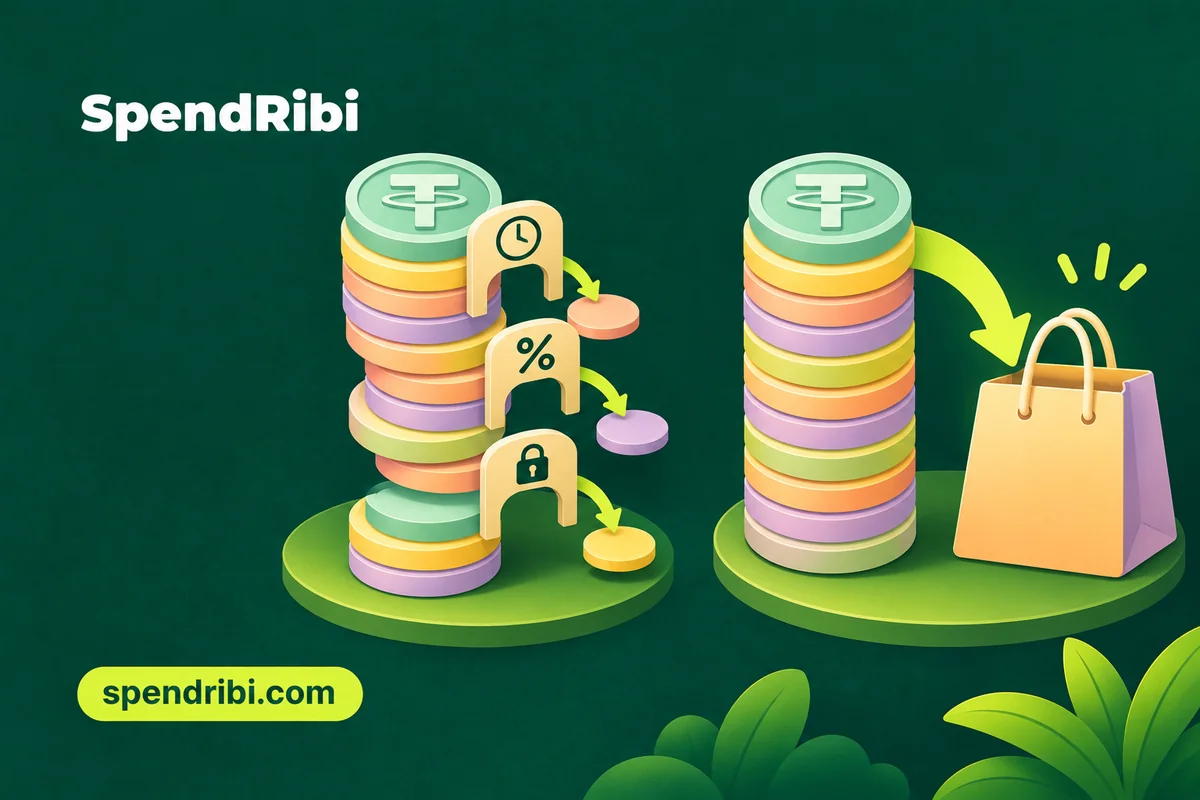
The spread. This is the difference between the market rate and the rate you actually get. Even a small difference matters on regular conversions.
Fees. Some platforms charge trading fees, and moving USDT between wallets or exchanges costs a network fee that depends on the network you use. Fees vary by network and by how busy it is, so check the fee your wallet shows before you send.
Time. A P2P trade needs a counterparty, a transfer and a confirmation. Sometimes it is quick. Sometimes a transfer delays and you are stuck waiting before you can buy anything.
Risk. P2P trades can go wrong: payments that are reversed, buyers who send money from third-party accounts, and bank accounts flagged or frozen after receiving funds. Even when nothing goes wrong, the risk is part of the cost.
How to work out your own cost
Take the amount of USDT you are selling. Multiply by the market reference rate at that moment. That is what your USDT is worth in theory.
Now look at what actually lands in your account after the trade and after any fees. The difference is your cost. Divide it by the theoretical amount and you have your cost as a percentage.
Do this for a few conversions and you will see your real average. Add a rough value for the time you spend on each trade, and you have the honest picture.
A worked example
You want to buy a pair of trainers. Here is how the two routes compare.
Cashing out: you move USDT to a P2P platform (network fee), sell it at the rate a buyer offers (spread), wait for naira to land in your bank (time), and only then go and pay the store.
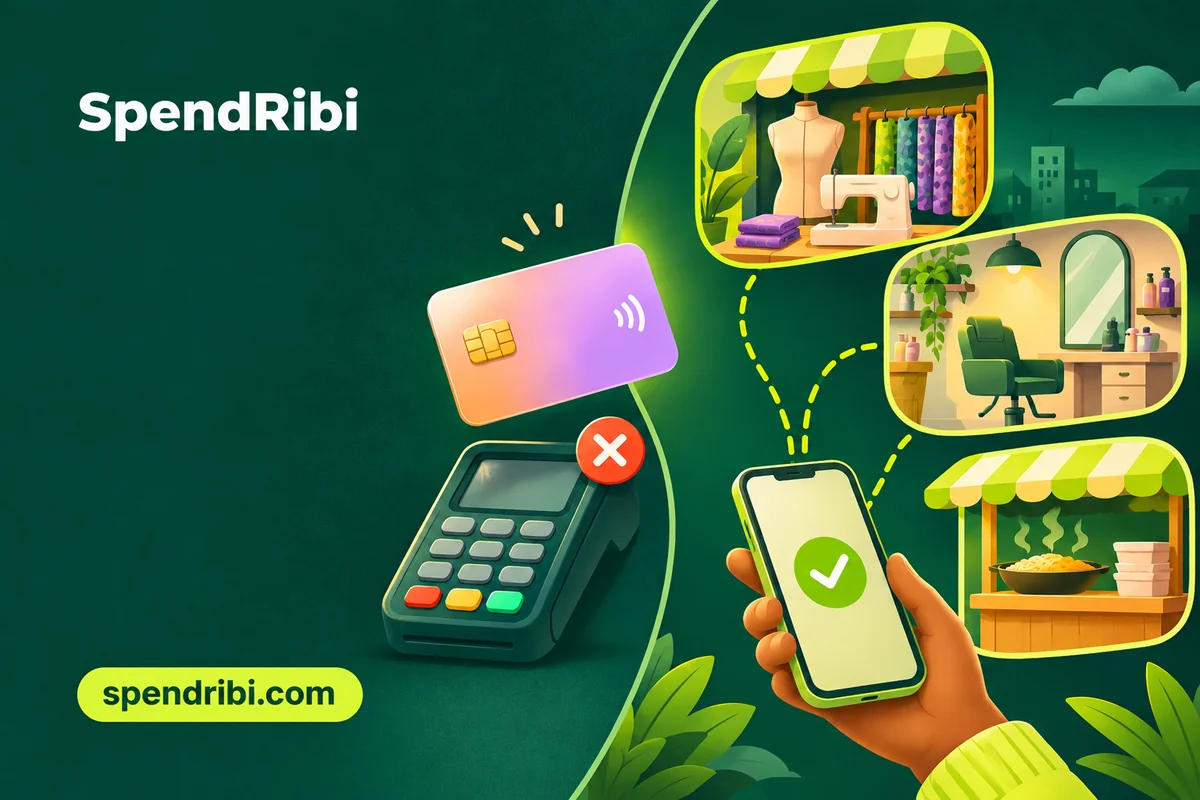
Spending directly: you open the item on SpendRibi, choose your city, and pay in USDT at checkout. A licensed partner converts it instantly, and a local business delivers. No P2P counterparty, no bank transfer, no waiting for your account to be credited.
Rates and fees change daily, so run the calculation above with today's numbers to see your own difference.
What spending directly does and does not fix
Spending directly removes the P2P trade, the bank transfer and most of the waiting. It removes the risk of a frozen account from a bad trade, because no stranger is sending money into your account.
It does not remove all costs. Prices include our margin, as with any store, and conversion happens through a licensed partner. What changes is that the cost is shown upfront at checkout, and the process takes one step instead of four.
When cashing out is still right
If you need to pay rent, school fees, salaries or bills to someone who only takes bank transfers, you will still need naira. SpendRibi does not offer cash-out. We are built for spending on products, experiences and services, not for moving money.
The smart move is to keep cash-outs for what really needs cash, and spend directly on everything else.
Read next: How to spend USDT in Nigeria, Is it legal to spend crypto in Nigeria?, Spend crypto without cashing out.
Read next: How to buy a phone in Lagos with USDT.
Key takeaways
Cashing out USDT to naira costs you through the spread, fees, time and risk.
You can measure your real cost by comparing what lands in your account with the market value of your USDT.
If you are only converting to buy something, spending USDT directly on that thing removes most of the steps.
Keep cash-outs for payments that genuinely need naira in a bank account.
FAQ
Is it legal to spend USDT in Nigeria? Regulation is developing, with the SEC overseeing digital asset businesses under the Investments and Securities Act 2025. Read is it legal to spend crypto in Nigeria? SpendRibi uses a licensed payment partner and never holds your crypto. This is not legal advice.
Which network should I use for USDT? Use the network shown at checkout. Sending on the wrong network can lose your funds.
Can I pay with USDC instead? Yes, along with BTC, ETH, SOL and others.
Can I send something to family in Nigeria from abroad? Yes. Pay in USDT and send a gift to their phone number or email.
When does SpendRibi launch? Q1 2027. Join the waitlist now.
Join the waitlist
Keep more of your USDT. Join the SpendRibi waitlist and spend it directly on real things in Nigeria and across Africa.